Your piriformis is tight
because your glutes are weak.
Stretching alone won't fix it. You have to strengthen the glute medius alongside it. Four routines, eight evidence-based moves, one timer that talks you through it. The 12-minute strengthen-stretch combo is the one that actually changes things.
The piriformis tightens because something else has stopped working.
The piriformis is one of six deep external rotators of the hip. It's small. It is not meant to be a primary stabiliser. When the glute medius (the much larger muscle on the side of the hip) goes underused, typical in desk sitters, runners with a hip drop, and anyone who hasn't loaded the side-glute in years, the piriformis is recruited to stabilise the pelvis on every step. It tightens, it inflames, it sometimes compresses the sciatic nerve right behind it.
Stretching releases the tightness short-term. But if you don't teach the glute med to fire properly, the piriformis is back where it was within hours. The fix is upstream: clamshells, banded bridges, glute med strengthening. Then stretching. Pair them in the same session. Three weeks of daily work, and the pattern shifts.
Where are you right now?
Strengthen-stretch combo
The full pattern: clamshells paired with figure-4s, banded bridges paired with pigeon, repeat. Three weeks of daily work changes the mechanics, not just the symptom.
It just locked up
Three gentle stretches. Lying, supine, seated. No setup. The fastest path from “my glute is locked” to “I can sit down again”.
Just finished a run
Post-run release. Pigeon, 90-90, supine figure-4. Within 30 minutes of cooling down. Cyclists, same routine.
Mid-day office reset
Three of four stretches done without a mat. Seated, standing against the wall. Wear regular clothes.
12-minute strengthen-stretch combo
The structure is what makes this different: every strengthening move is paired with the stretch that addresses the same muscle group. Clamshell, then supine figure-4. Banded bridge, then pigeon. The strengthening teaches the glute med to fire; the stretching lets the piriformis release the work it's been doing alone.
This routine, step by step
- Side-Lying Clamshell15 reps × 2
- Supine Figure-445s × 2
- Glute Bridge with Band Abduction12 reps
- Pigeon Pose60s × 2
- Side-Lying Clamshell15 reps × 2
- 90-90 Hip Stretch60s × 2
Six stretches and two strengthening moves.
Strengthening shown with an orange edge, stretching with a teal edge. Pair them the way the strengthen-stretch routine does.
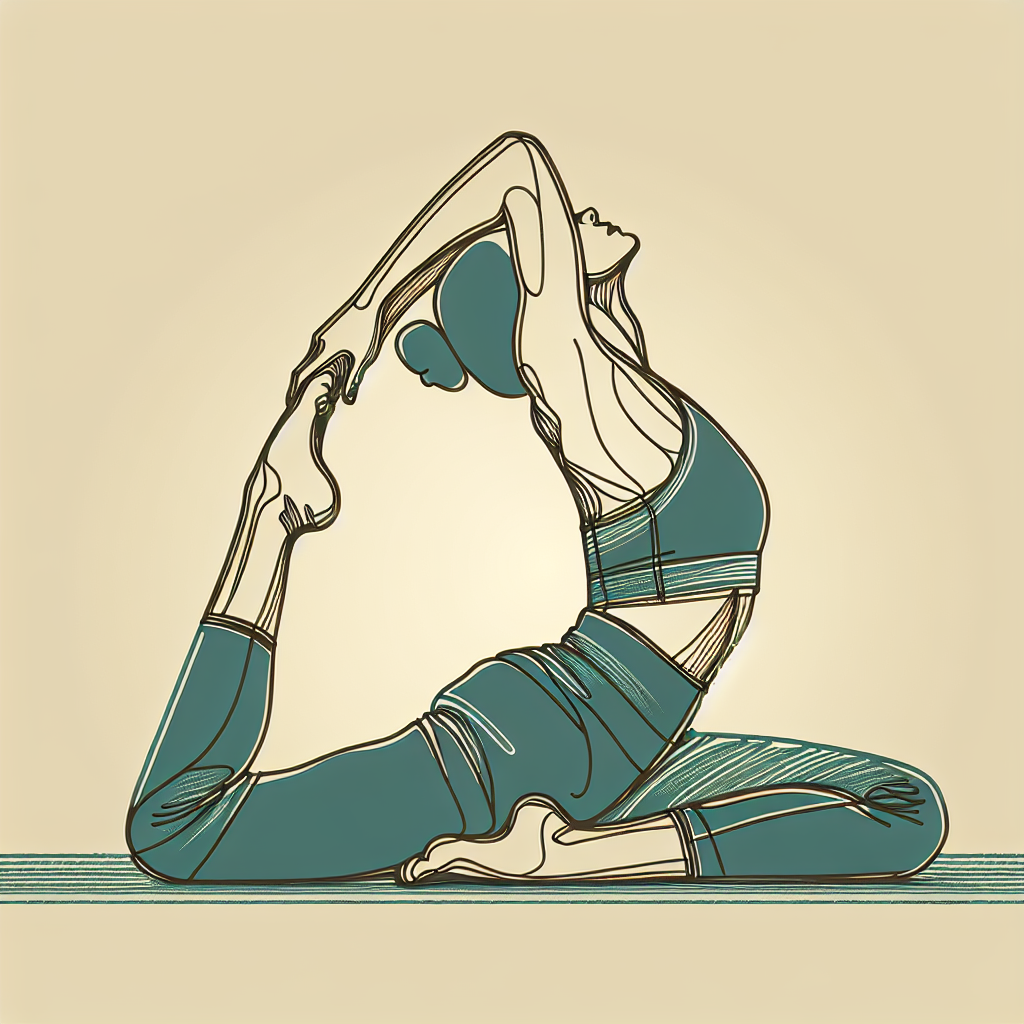
Pigeon Pose
Piriformis, Deep external rotators
intermediate · 60s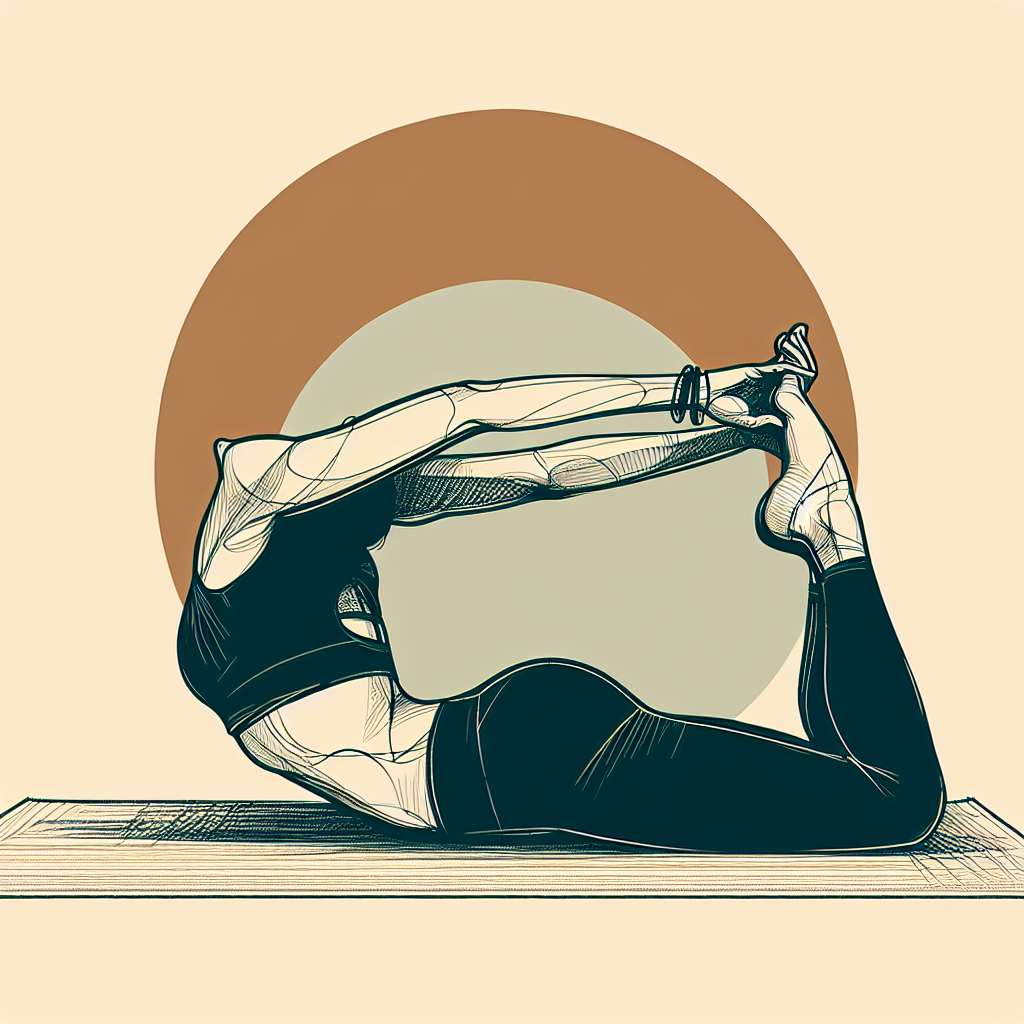
Supine Figure-4
Piriformis, Deep external rotators
beginner · 45s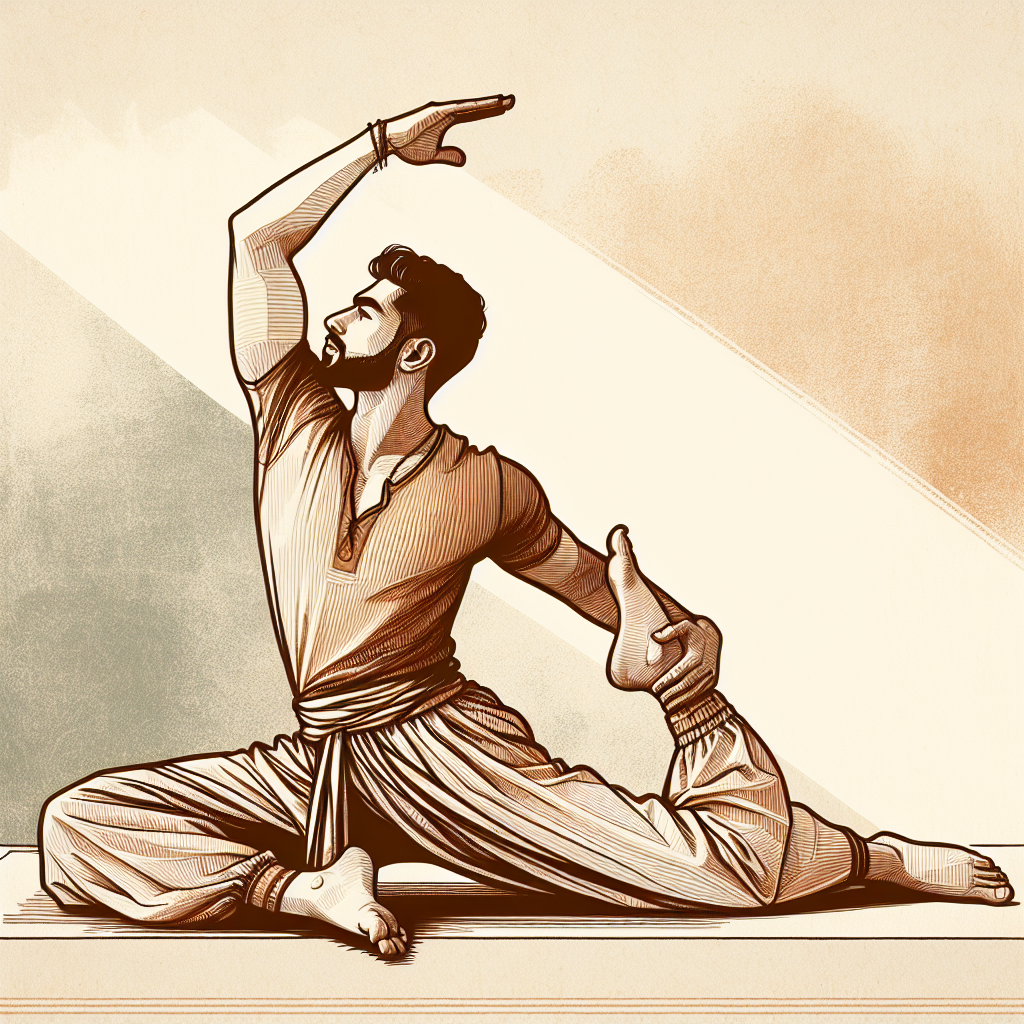
90-90 Hip Stretch
Piriformis, Deep external rotators
intermediate · 60s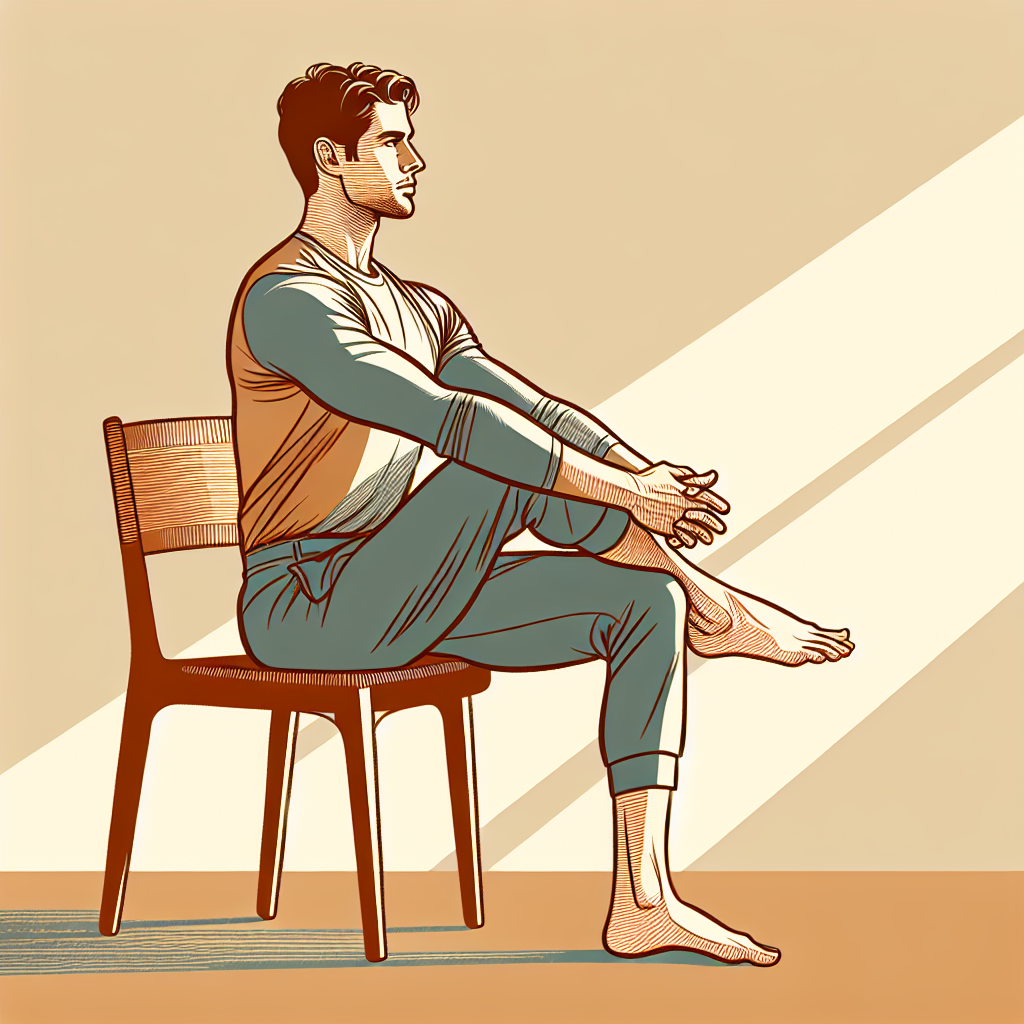
Seated Piriformis Stretch
Piriformis, Deep external rotators
beginner · 45s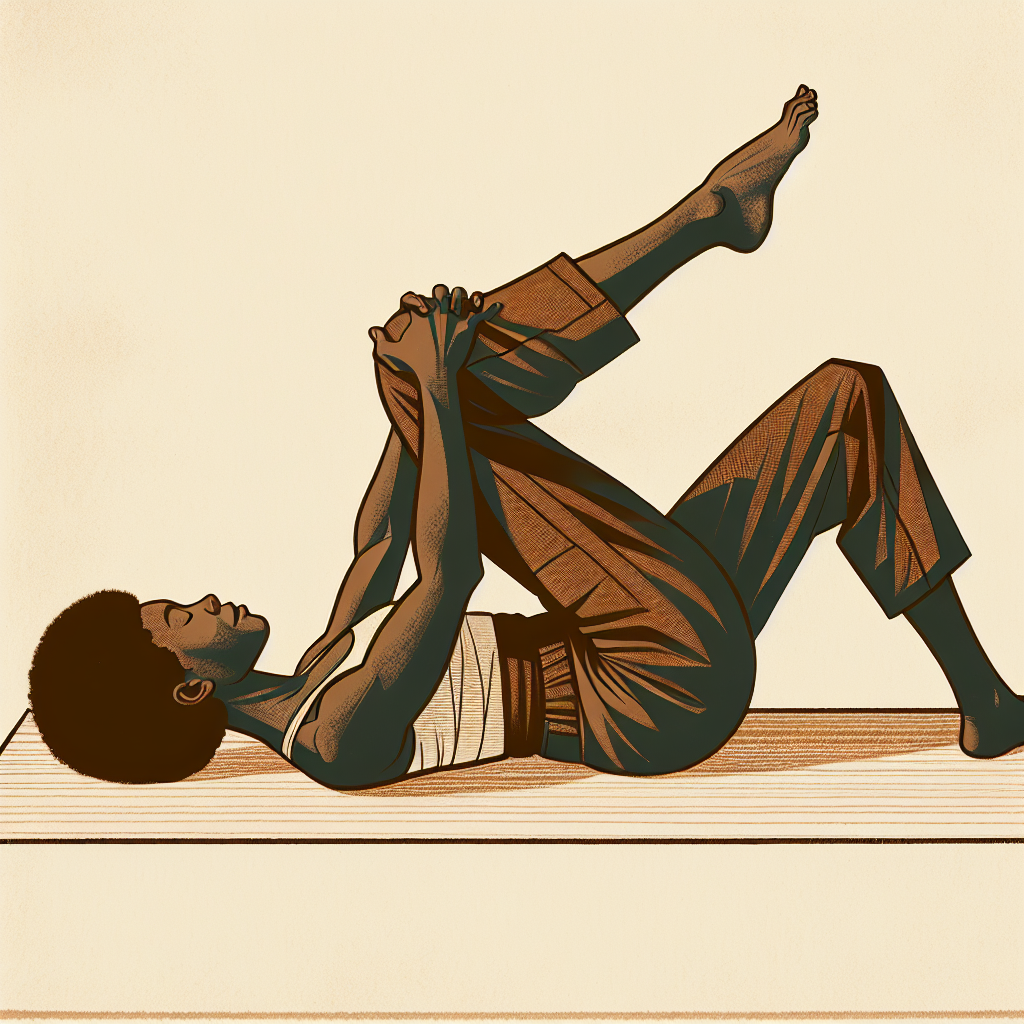
Lying Piriformis Stretch
Piriformis, Deep external rotators
beginner · 45s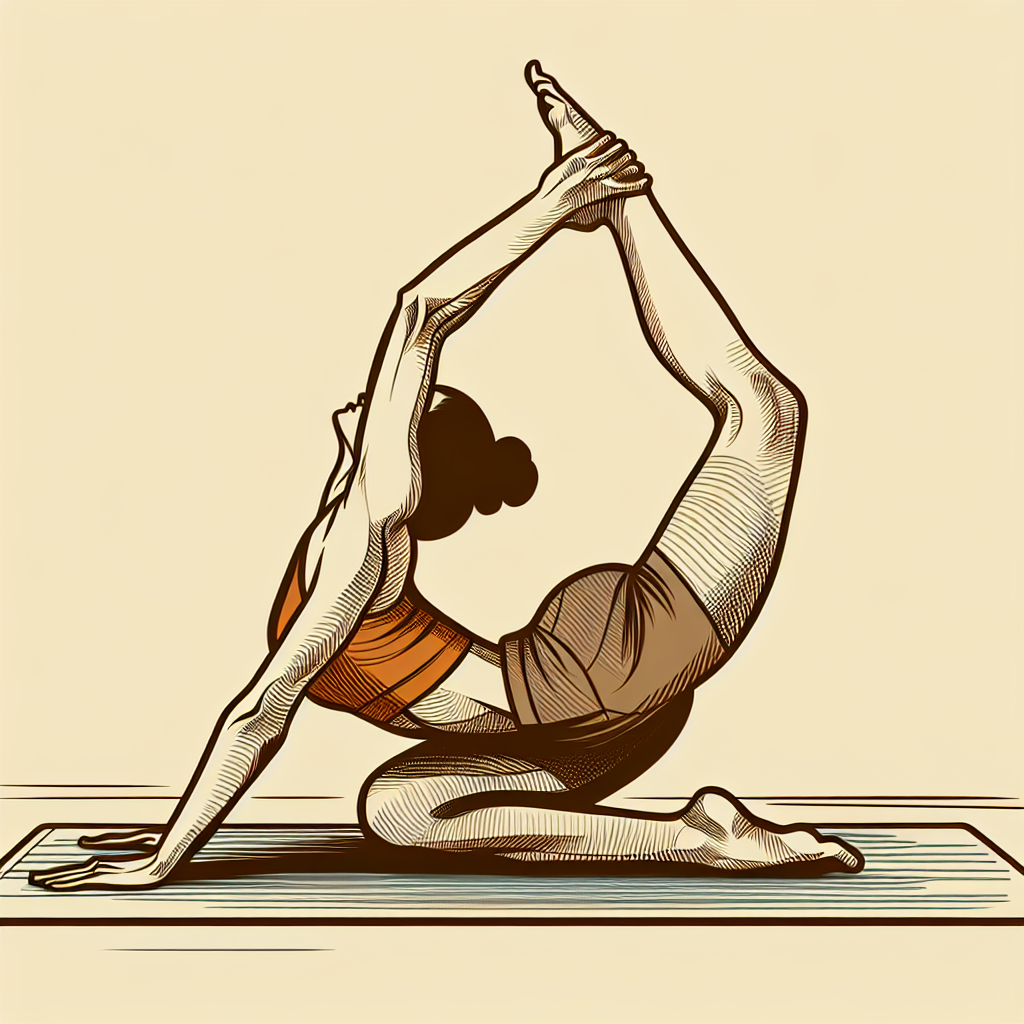
Side-Lying Clamshell
Glute medius, Glute minimus
beginner · 15 reps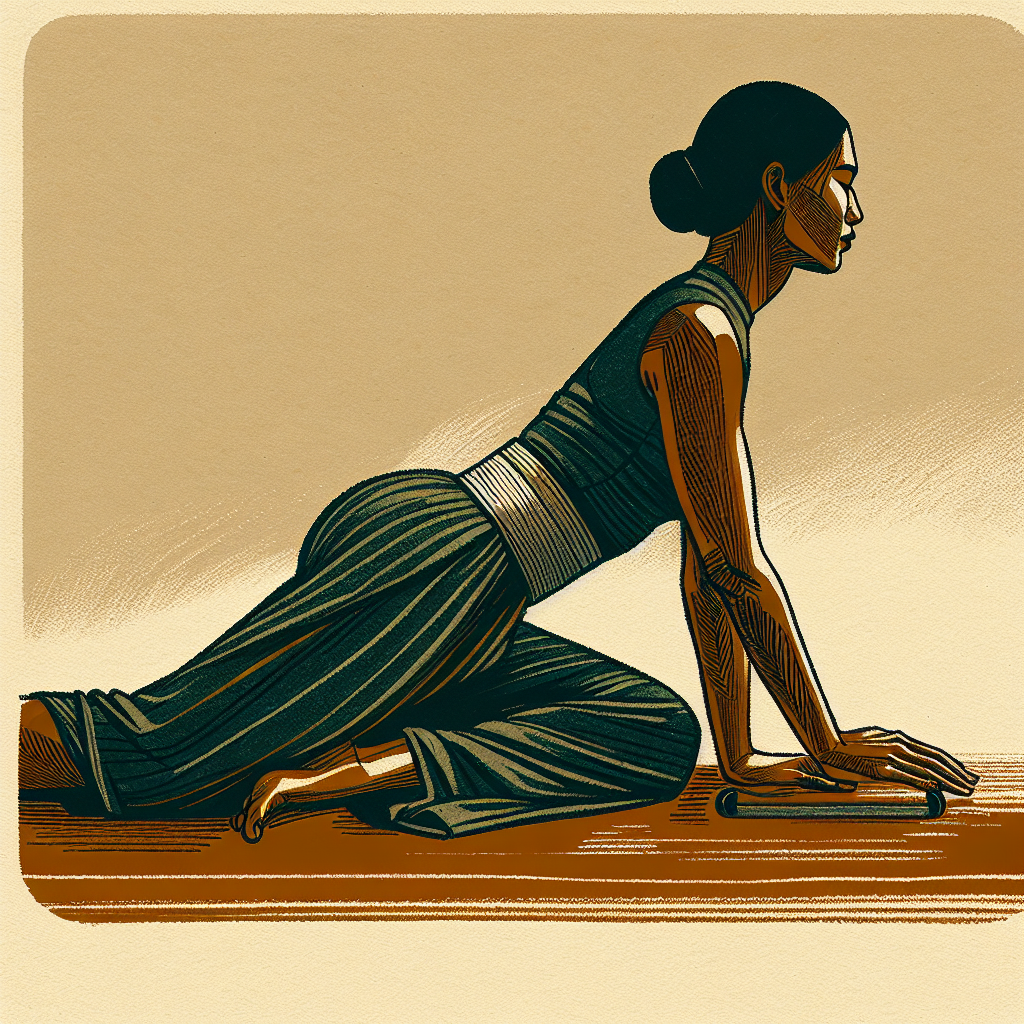
Glute Bridge with Band Abduction
Glute max, Glute medius
intermediate · 12 reps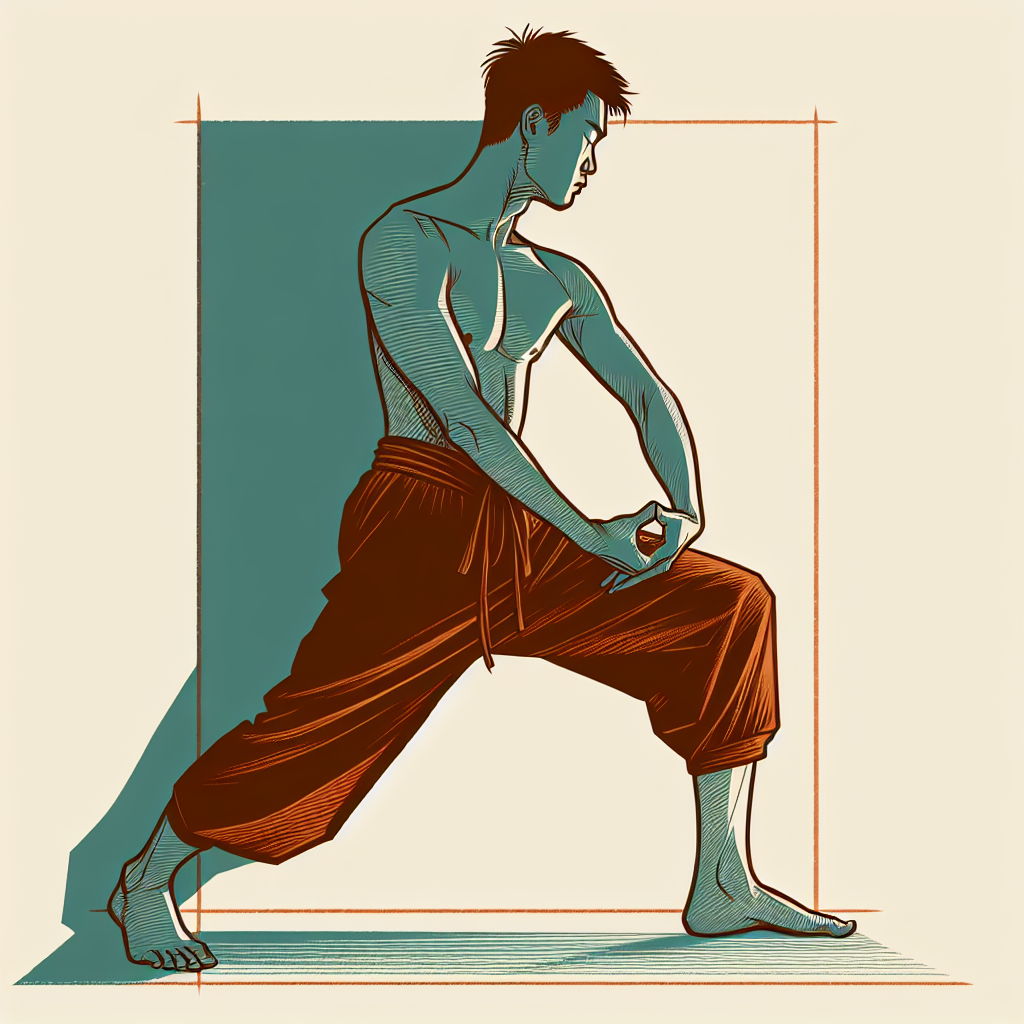
Standing Figure-4 (Wall)
Piriformis, Deep external rotators
beginner · 45s